
Our services
Request an appointment
Reserve your spot with our medical team in just minutes.
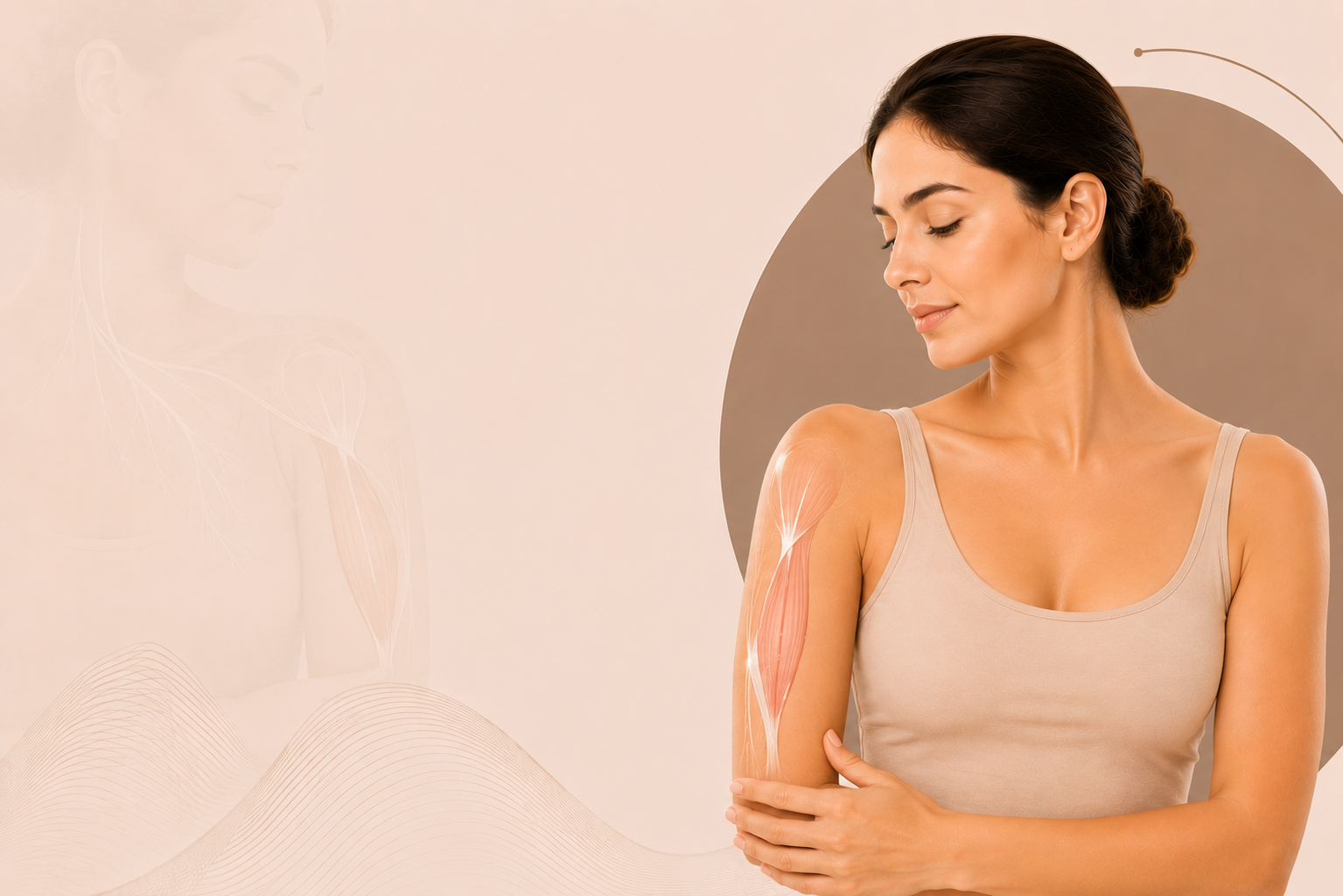
Free Functional Muscle Transfer (FFMT) in Jaipur | Advanced Facial Reanimation Surgery by Dr. Sushrut Kalra
Free functional muscle transfer is one of the most advanced procedures in facial reconstruction, used to restore movement to a face that has been paralyzed for a long time. When paralysis lasts more than 12 to 18 months, the original facial muscles can weaken permanently and are no longer able to respond to nerve signals. In these cases, a healthy muscle from elsewhere in the body is transplanted to rebuild a living, moving smile.
Dr. Sushrut Kalra specializes in precise muscle transfer surgery in Jaipur, most often using a small segment of muscle from the inner thigh. Using microsurgical techniques, the muscle's blood vessels and nerve are carefully connected in the face, effectively rebuilding the framework needed for a natural smile.
Two Treatment Approaches
-
Single Stage Muscle Transfer Connects the transplanted muscle to a nearby facial nerve, often the one involved in chewing. This tends to provide quicker, strong results, allowing many patients to trigger a smile by biting down within 3 to 6 months, which often becomes more natural feeling over time.
-
Two Stage Muscle Transfer Aims for a more spontaneous, emotionally driven smile. The first stage connects a nerve graft to the healthy side of the face, and after several months of healing, the second stage completes the muscle transfer, allowing the smile to move more naturally with genuine emotion.
-
Why the Inner Thigh Is Commonly Used The muscle used for this procedure is often taken from the inner thigh because its natural fiber direction closely matches the movement of a natural smile. Removing this small segment doesn't affect walking, running, or overall leg function, and the donor site incision is placed discreetly within a natural thigh crease.
Frequently Asked Questions
It's an advanced procedure that transplants healthy muscle, usually from the thigh, to rebuild a smile when the original facial muscles are no longer functional due to long-standing paralysis.
It closely matches the natural movement of a smile, and removing a small portion doesn't affect normal leg function.
Single stage connects the new muscle to a nearby nerve for quicker results. Two stage aims for a more natural, emotionally driven smile but takes longer overall, since it involves two separate procedures.
Since nerves grow slowly, visible movement usually appears within 6 to 9 months, with the smile continuing to strengthen and feel more natural over 12 to 24 months.
Incisions are placed carefully within natural creases on the face and thigh, helping them stay well-hidden as they heal.
Yes, facial physical therapy plays an important role in helping the brain learn to coordinate the new muscle, gradually making the smile feel more natural over time.